“Innovation should not be limited by geography or infrastructure“
The Mobile Maker Lab (MML) is HART’S Haiti Inc.’s flagship infrastructure for delivering hands-on STEM and innovation education directly to schools and communities. Designed as a mobile, scalable solution, MML brings robotics, engineering, digital tools, and applied technology into environments where access to such resources is limited or non-existent.
The Challenge We Address
Across Haiti, many schools, especially in underserved areas, face significant barriers to delivering modern, technology-driven education:
– Limited or no access to STEM equipment and digital tools.
– Outdated or theory-heavy curricula with little practical application.
– Lack of trained facilitators in emerging technologies.
– Infrastructure constraints such as unreliable electricity and connectivity.
These challenges contribute to a widening gap between education and workforce readiness, leaving many young people unprepared for opportunities in a rapidly evolving global economy.
Our Solution
The Mobile Maker Lab is a “STEM-on-the-move” platform that delivers practical, high-quality learning experiences directly to students.
Through a mobile and flexible model, MML provides:
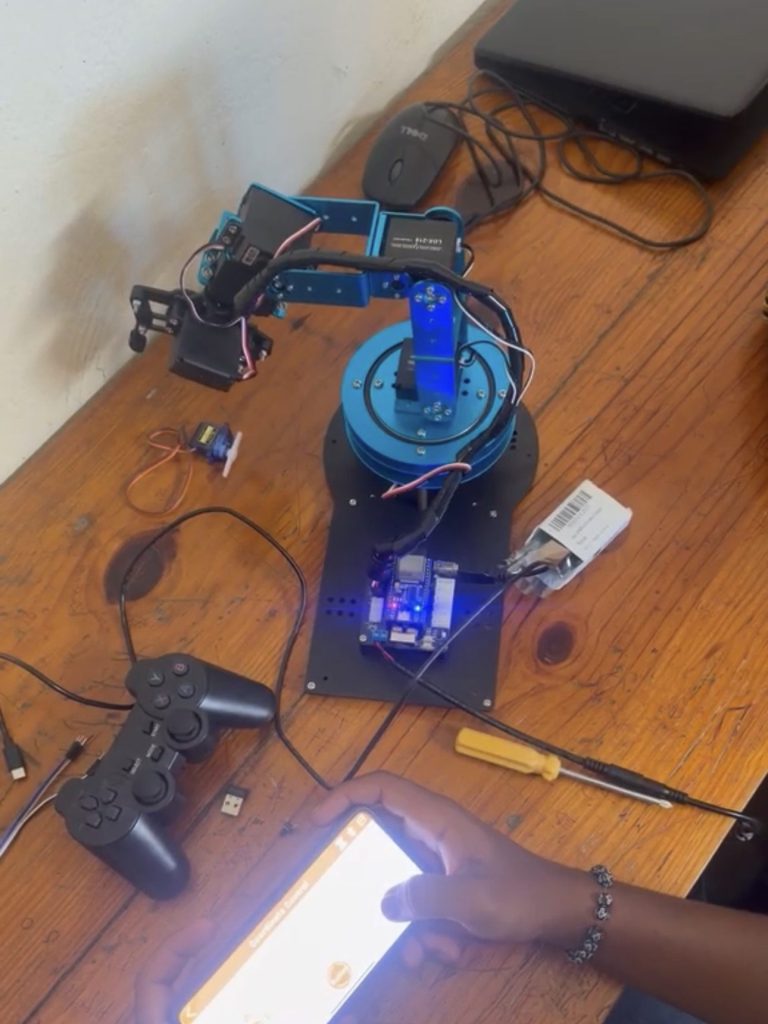
– Hands-on training in robotics, coding, prototyping, and engineering.
– Standardized, structured curricula aligned with global competencies.
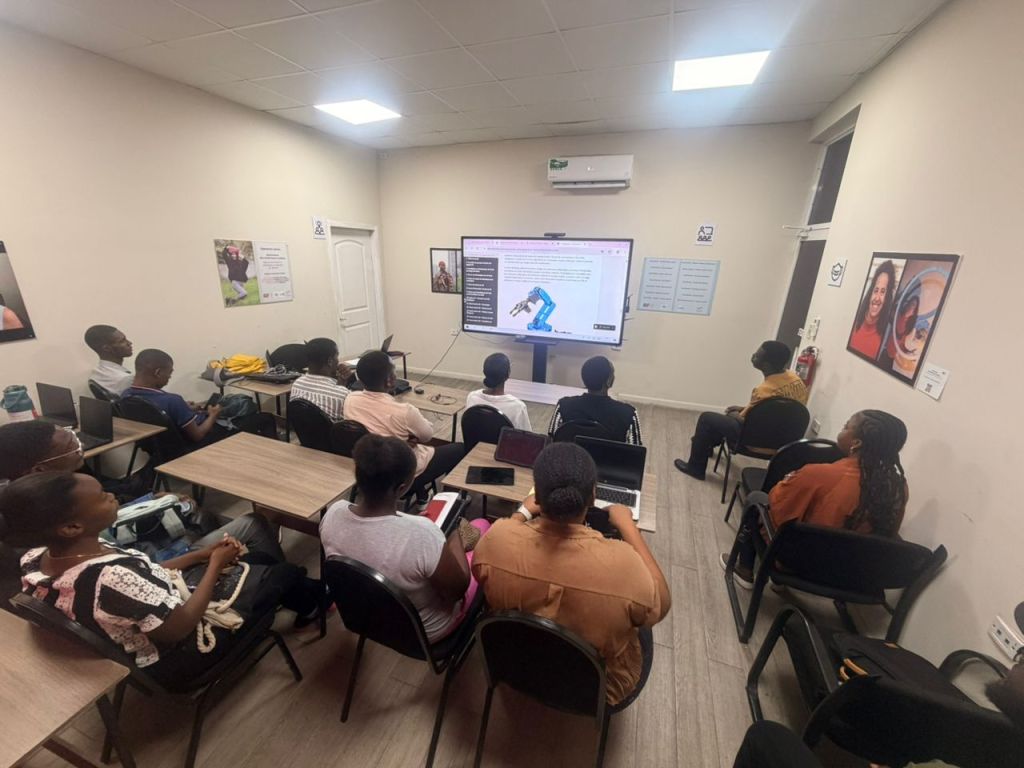
– Trained facilitators who guide students through real-world projects.
– Equipment and tools brought directly to schools.
– Adaptable delivery, functioning even in low-resource environments.
Rather than requiring schools to invest in expensive permanent labs, MML offers a plug-and-play innovation infrastructure that can be deployed where it is needed most.
How It Works
Mobile Innovation Infrastructure
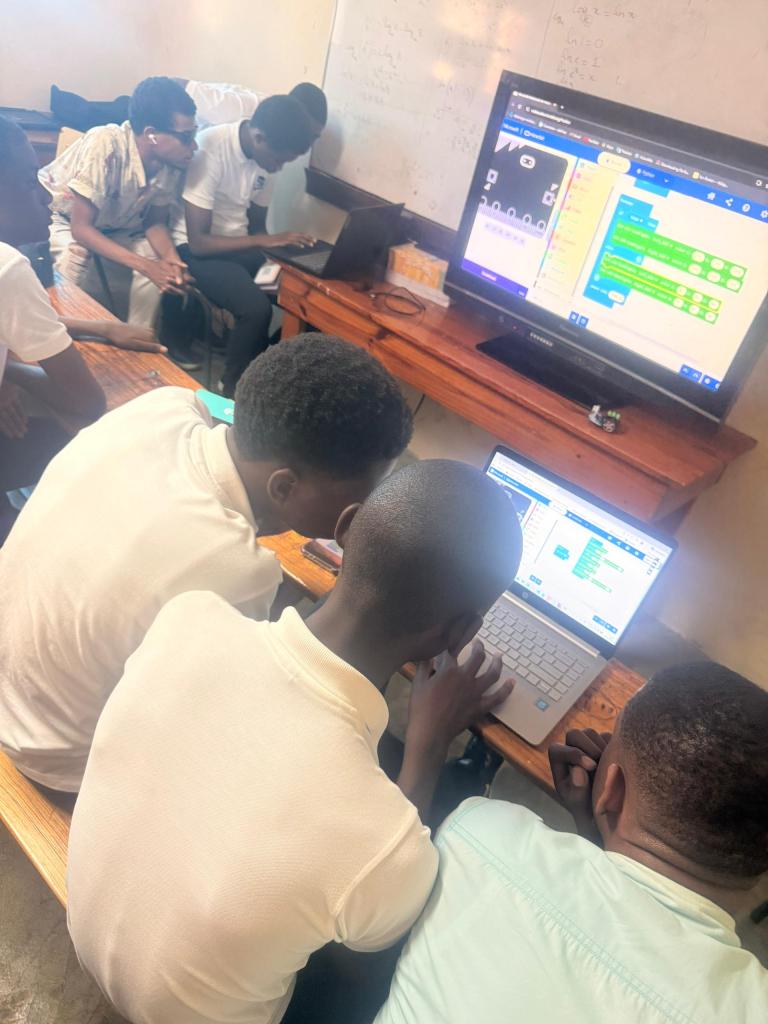
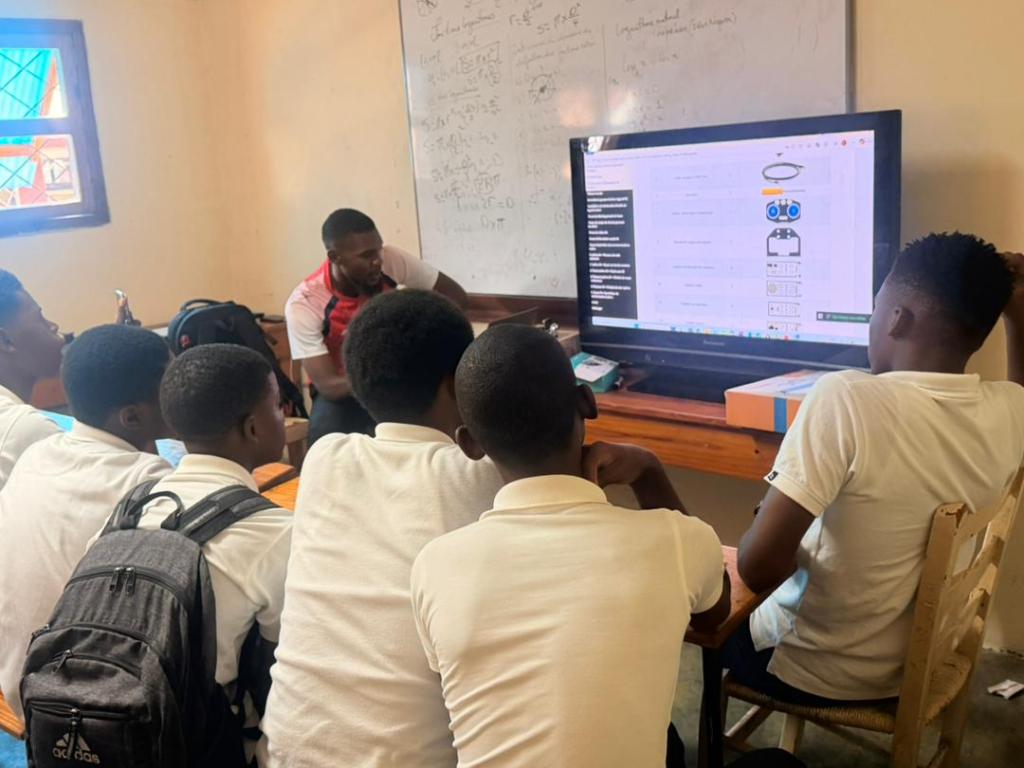
MML brings the lab directly to schools. Instead of requiring permanent facilities, we deploy a portable, fully equipped learning environment that adapts to each school’s context. This approach removes traditional barriers to access and ensures that students, regardless of location or resources, can engage with modern technology and tools.
Hands-On, Project-Based Learning
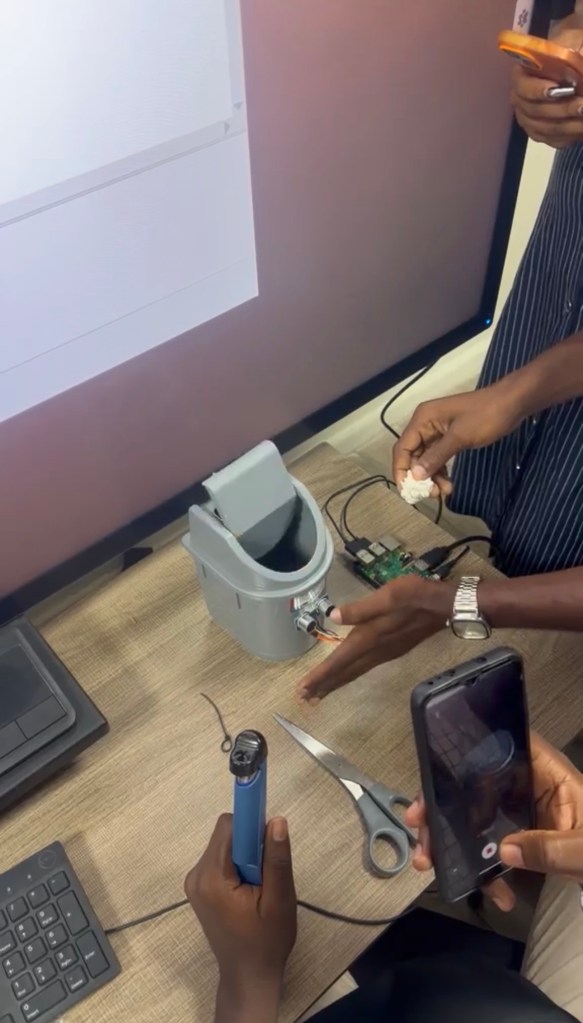
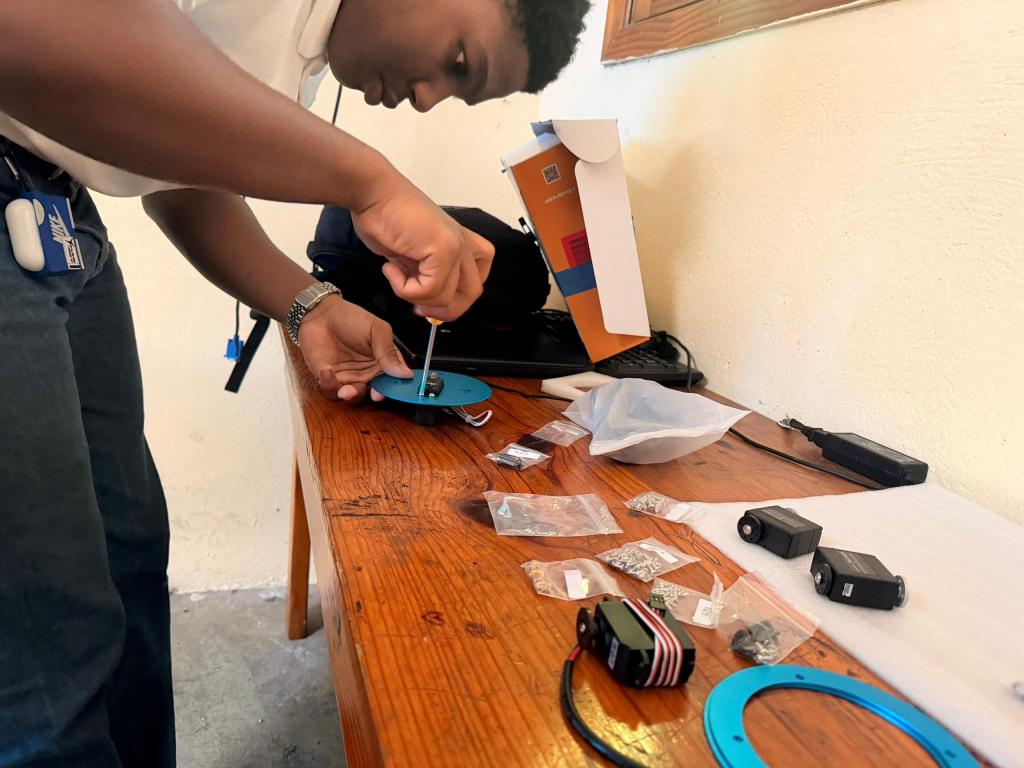
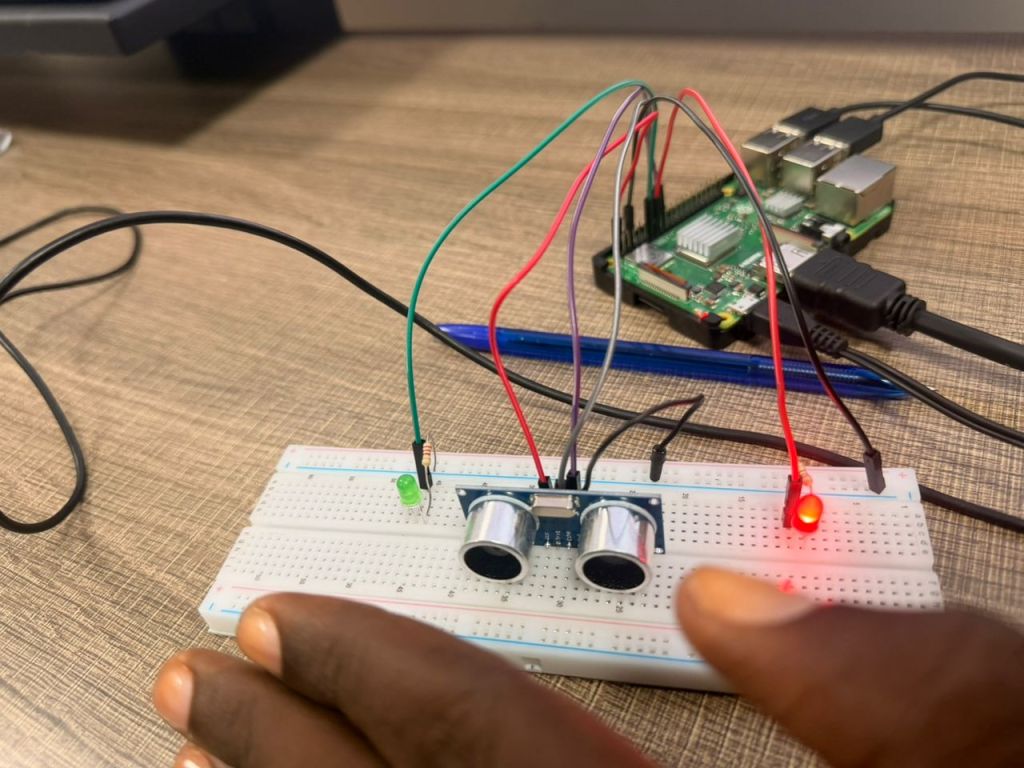
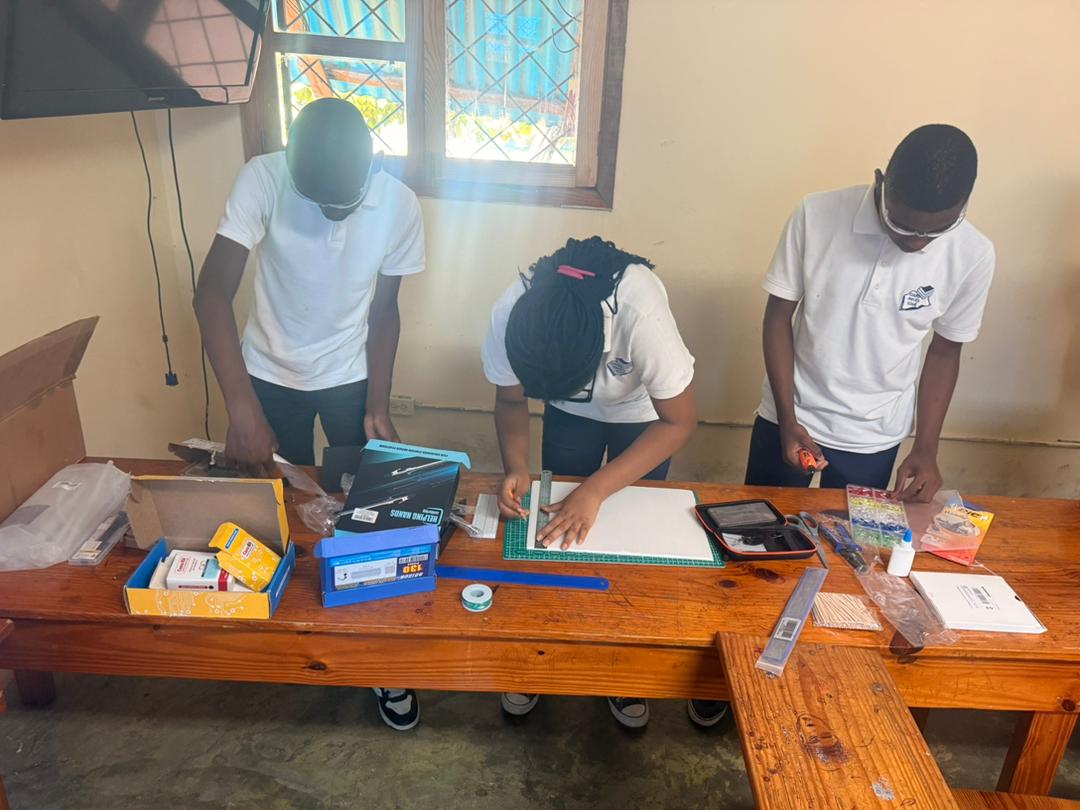
At the heart of MML is a learning-by-doing methodology. Students actively design, build, and test real projects using robotics, coding, and engineering tools. This practical approach allows them to move beyond theory and develop tangible skills, confidence, and problem-solving abilities through direct experimentation and creation.
Structured Pathways and Continuity
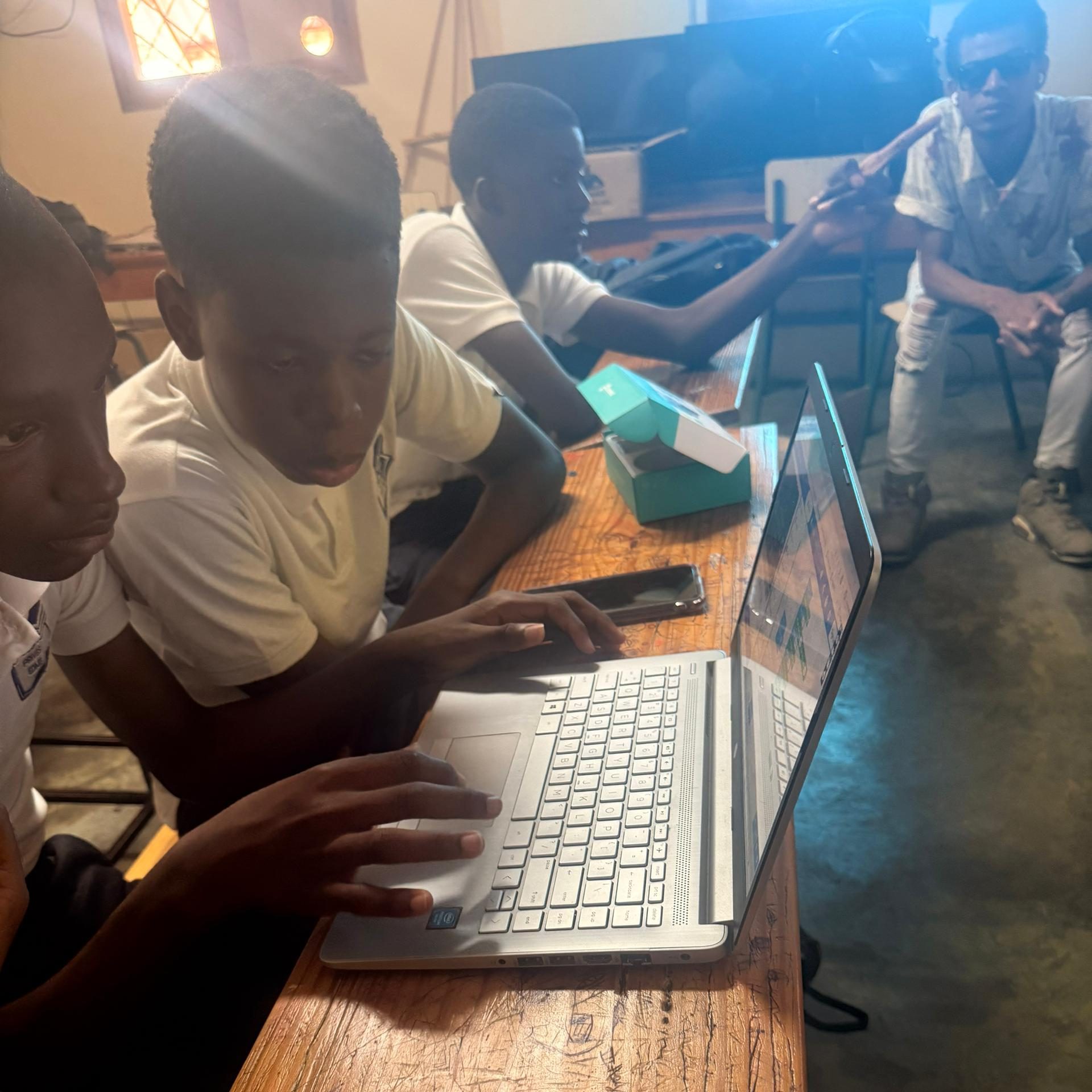
MML is not a one-time intervention. It follows a structured learning progression, with recurring sessions that build skills over time and connect students to broader opportunities within HART’S ecosystem. Participants can advance into programs like the Education Innovation Café, competitions such as the Robo-Challenge, and even professional opportunities through the Innovation Hub, creating a clear pathway from learning to real-world application.
Our Approach: Learning by Building
The Mobile Maker Lab is built on a simple principle: students learn best when they create. Rather than relying on passive instruction, MML places young people at the center of the learning process, where they actively design, build, test, and improve real projects.
Through this hands-on methodology, participants develop not only technical knowledge but also the ability to think critically, solve problems, collaborate effectively, and confidently engage with technology. By the end of the program, students move beyond theory and leave with tangible prototypes and practical experience that reflect their skills and creativity.
Impact and Outcomes
Through the Mobile Maker Lab, students gain early exposure to robotics, artificial intelligence, coding, and applied engineering in a practical learning environment. For many participants, this is their first opportunity to work directly with technologies that are shaping the future of education, employment, and innovation.
The program helps students expand their vision of what is possible after secondary school. By experiencing robotics and AI before entering college, they are better positioned to consider academic and professional pathways in computer science, engineering, data, automation, renewable energy, and other technology-driven fields.
MML also contributes to Haiti’s long-term talent pipeline by preparing young people with foundational technical skills, problem-solving capacity, and confidence using digital and physical computing tools. Students do not only learn concepts; they apply them by building working prototypes, testing systems, and presenting their projects.
Our Vision and Goals
The long-term vision of the Mobile Maker Lab is to make practical STEM, robotics, artificial intelligence, and innovation education accessible to students across Haiti, especially in public schools where access to modern technology remains limited. Our goal is to build a national mobile learning infrastructure capable of reaching students where they are, instead of waiting for schools to have the resources to build permanent technology labs.
Over the next five years, HART’S Haiti Inc. aims to deploy Maker-Buses across all 12 departments of Haiti, creating a decentralized model that can serve schools in both urban and rural communities. Through this expansion, we aim to reach public schools nationwide and train thousands of students in robotics, AI, coding, prototyping, engineering thinking, and emerging technology applications.
Our objective is not only to teach students how to build robots or use digital tools. It is to expose them early to the language, trends, careers, and real-world applications shaping the future of work. By introducing students to robotics, artificial intelligence, automation, and applied innovation before they enter college, MML helps them make better-informed academic and career decisions while preparing a stronger pipeline of future talent for Haiti’s technology ecosystem.
To remain relevant, the MML curriculum will be reviewed and updated every two years to reflect current developments in robotics, AI, digital systems, automation, renewable energy, and emerging technical fields. This ensures that students are not learning outdated concepts, but are being introduced to technologies and skills aligned with what is happening in real time globally.
Within five years, our target is to deploy Maker-Buses in all departments, partner with schools across the country, and train at least 10,000 students, with a strong focus on public schools and underserved communities. Through this model, MML seeks to become a national bridge between classroom education, hands-on innovation, and workforce readiness, helping prepare a generation of Haitian students who are not only consumers of technology, but creators, builders, and problem-solvers.
Partner With Us
We are actively expanding the Mobile Maker Lab and are open to partnering with schools, educational institutions, and community organizations.
If your institution is interested in bringing hands-on STEM and innovation training to your students, we invite you to connect with us.
Together, we can build learning environments where students don’t just study the future, they create it.

